History & Future
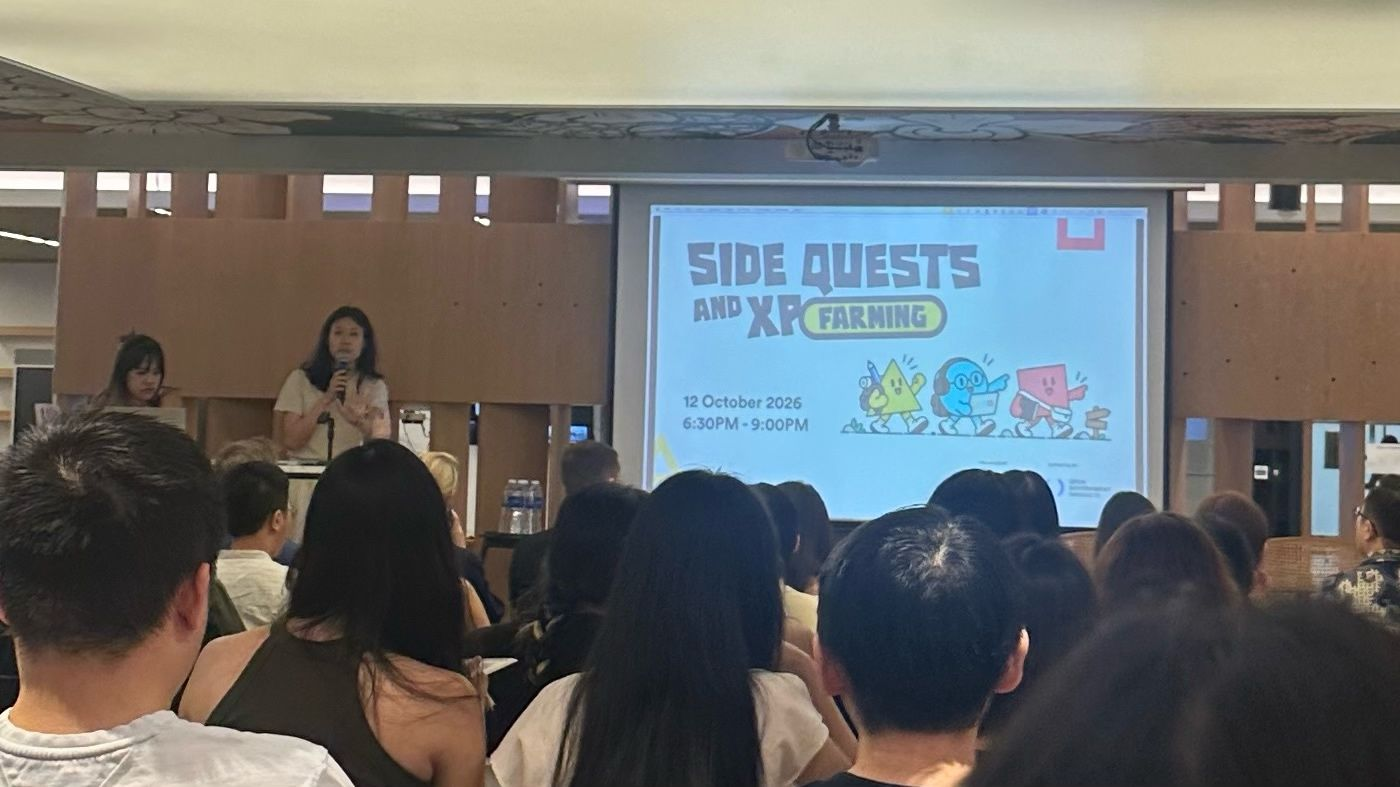
At a SPD event at OGP, Charlie Sutton, Chief Design Officer of Atlassian, spoke about why designers should study art history when AI is disrupting the industry. It resonated well with me as I am a firm believer that history informs the future. Problems return in different forms, and understanding how people responded before gives us a head start when we face them again.
An old typography video captures this quite well. At the London College of Printing, a teacher defends learning traditional letterpress, while a student questions spending weeks setting text when a computer can produce a good-quality printout. The teacher argues that the process teaches you to think. The student questions whether that process still justifies the time.
Put that exchange beside today’s conversations about AI and design, and it sounds familiar. We are again asking what designers should learn, which parts of making we can delegate, and what happens to our understanding when we do.
When the means of making change
Industrialisation changed the scale and organisation of production. The Arts and Crafts movement responded with concerns about workmanship, the quality of manufactured goods and the conditions under which people worked. The way an object was made mattered alongside the finished object.
The Bauhaus later explored how design education could work with industry. Its early emphasis on craft developed towards collaboration with industrial production from 1923, while workshop learning remained part of its approach. Students could learn through materials and making while preparing to design things for serial production.
I find this useful because it complicates the familiar argument between protecting craft and accepting technology. Education could evolve with production, and craft knowledge could help shape that evolution.
It also raises a practical question for us: when we defend an existing method, can we explain what it teaches and why that learning still matters?
When publishing moved onto the desktop
In the 1980s, PCs and desktop publishing changed who could compose and publish a page. The Mac with the likes of PageMaker brought capabilities onto the desktop that had previously depended on more specialised production arrangements.
This is the transition the typography video makes tangible. The student can already get the result they need from a computer. The teacher worries that getting there so easily leaves something out of their education.
I think both concerns are valid. A slower process can develop observation, patience and an understanding of materials. It can also retain steps that mainly existed because earlier technology required them. We need to be able to tell the difference.
History helps us examine why a practice exists before deciding whether to preserve, adapt or retire it.
When the web changed the work
The web introduced another shift. The dot-com boom brought commercial attention and investment to this emerging medium.
For designers, websites introduced questions about navigation, interaction and what happened after someone clicked. Work could change after publication, and people could arrive through different routes. Designing for that environment required attention to behaviour as well as appearance.
This is why I think technological history belongs alongside art and design history. It helps explain how our responsibilities developed. The tools changed, but so did the things businesses wanted to build and the ways people encountered them.
AI adds another layer of responsibility
With AI, we are again reconsidering execution and learning. Producing something quickly can be useful, and we still need ways to develop the understanding required to evaluate it.
This extends beyond generating a screen. In agent workflows, designers can also shape the system around the output: what context it receives, which tools it can use, and where review happens. An AI harness is part of that surrounding setup.
Designing those conditions brings its own responsibilities. If a system repeatedly produces the wrong result, we need to examine the instructions, available information and feedback, alongside the output itself. Hands-on making remains valuable because it gives us experience of the details we are asking a system to handle.
History can guide us, though it cannot predict exactly how AI will develop. Questions around training data, authorship and accountability need their own scrutiny. Past changes benefited some people and hurt others, even when the profession itself survived.
My belief is that understanding where our craft came from makes us better equipped to develop it. History helps us learn from past decisions, including trade-offs whose effects took time to show. As we decide what to delegate and what to keep practising, that knowledge deserves a place beside our experiments with the newest tools.